EXTREME 5089
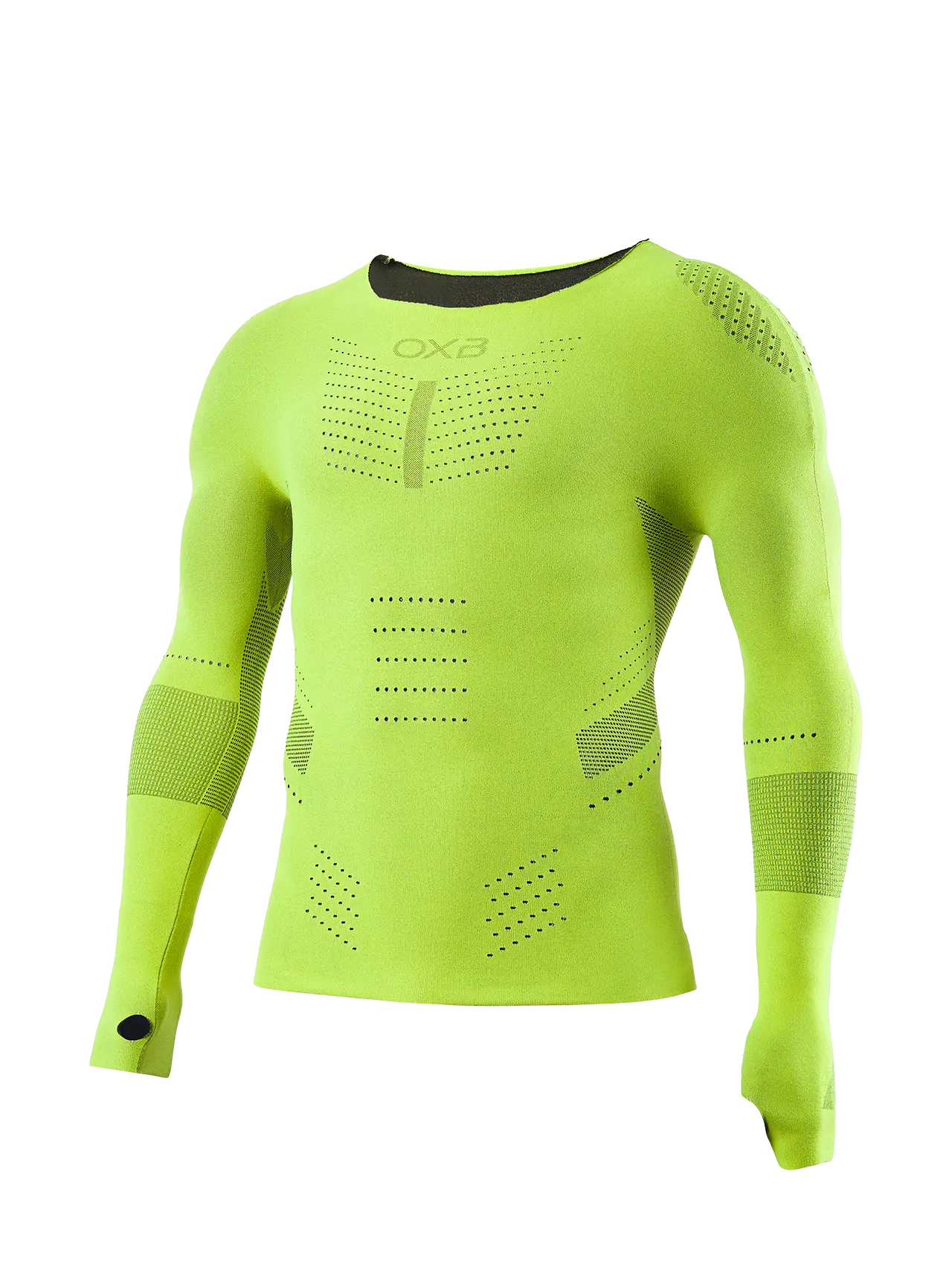
Ultralight Men's Long-Sleeve Trail Running Shirt with Raw-Edge Hem
€60,00
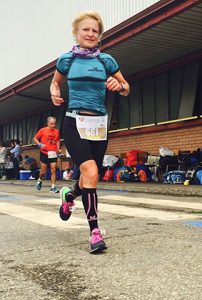
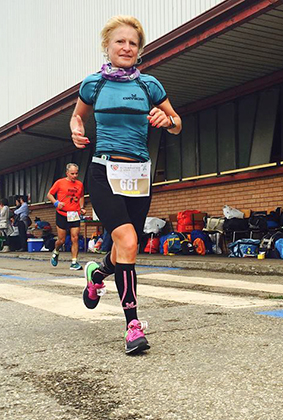
First place at La 100 e Lode 100km and at the recent 6 Hours of Reggio Emilia and 24 Hours of San Martino, third place at the Nove Colli Running and the Lupatotissima 12 Hours, in addition to numerous other highly prestigious finishes: this is the 2015 record of ultra-marathoner Maria Ilaria Fossati, who is originally from Varese but now calls Milan home.
Who is Ilaria in her everyday life?
I’m a chemist; I work in the pharmaceutical industry, and I can say that I really love my job: I’m one of the lucky ones—one of those people who wake up in the morning happy to go to work.
When did you start running, and why?
I started running seriously in 2005, when I moved to Milan. I’m from Varese, where I played volleyball and went to the mountains whenever I could. Once I arrived in Milan, I had to reinvent myself, and that’s when I discovered running: I ran my first marathon almost right away… it was the 2005 Milan Marathon, which stands out because it was the edition with snow and tomatoes thrown at the runners. I ran my first 50km race in 2008 and my first 100km race in 2009.
What are your favorite distances?
Right now, my races are the 24-hour events, which I proudly run while wearing the Italian national team jersey.
If you had the choice, which would you rather run: an ultratrail or an ultramarathon?
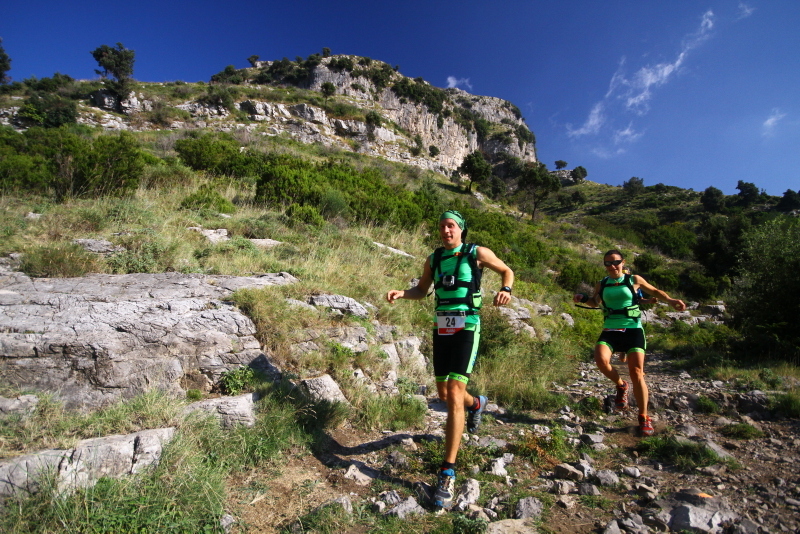
My heart is torn between trail running, which I really enjoy, and road ultramarathons, which I feel are more my thing right now. Running on the road or on a track is “easier” than on dirt trails or singletrack, where every descent, every rock, and every root can be a hazard, and a fall is just around the corner.
How do you train for ultramarathons?
Gradually and with a clear head. You have to learn, step by step, to manage physical exertion and your mental state, recovery times and rest periods, but also to eat and hydrate properly. It takes years to be able to run a 12- or 24-hour race… but our bodies get used to everything, little by little! As for the “mind,” however, I believe you need a certain natural predisposition for coping with pain…
What race is the one you “still have to run”?
That’s a tough one… Any ultramarathon in the United States, a Spartathlon, and, above all, a 48-Hour race.
And which one do you remember most fondly?
The Nove Colli Running race is the one that has always given me the best feelings. A race to forget? None. I don’t remember any “dramatic” dropouts during a race… and my personality drives me to always finish them by giving it my all, but first and foremost by listening to my body.
What’s your all-time favorite race?
One? No, no… Let’s just say I have a few regular events on my calendar: the Trans d’Havet, the UT4M, the Lake Como Ultratrail, the Reggio Ultra, the 24 Hours of Grenoble, the 24 Hours of Monaco, and my absolute favorite, the 100km of Seregno.
Can you tell us about your relationship with Oxyburn clothing?
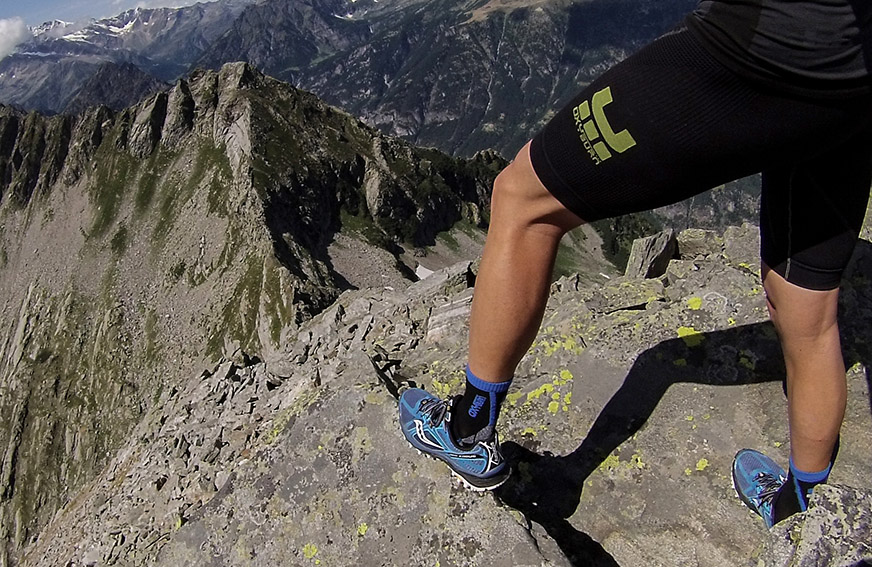
These are absolutely top-notch technical garments. All the graduated compression clothing is excellent, but in my opinion, the T-shirts are fantastic: they regulate perspiration and keep you warm when it’s cold outside, and they keep you cool during the summer. You can wear them for forty hours straight and still stay dry—which means you don’t have to change, saving you time during ultradistance races.
“You’re all grown up now”—what are you planning to do?
I’d love to organize ultradistance events so I can put my knowledge, skills, and passion to work for races of this kind. I believe there’s still a lot to do and learn in events like these, but above all, we need to make ourselves known and earn respect. I’m convinced that behind every ultramarathon runner is a great athlete, even if they have different characteristics than those who run shorter distances. But there’s room for everyone “on the road”!
Share: