EXTREME 5089
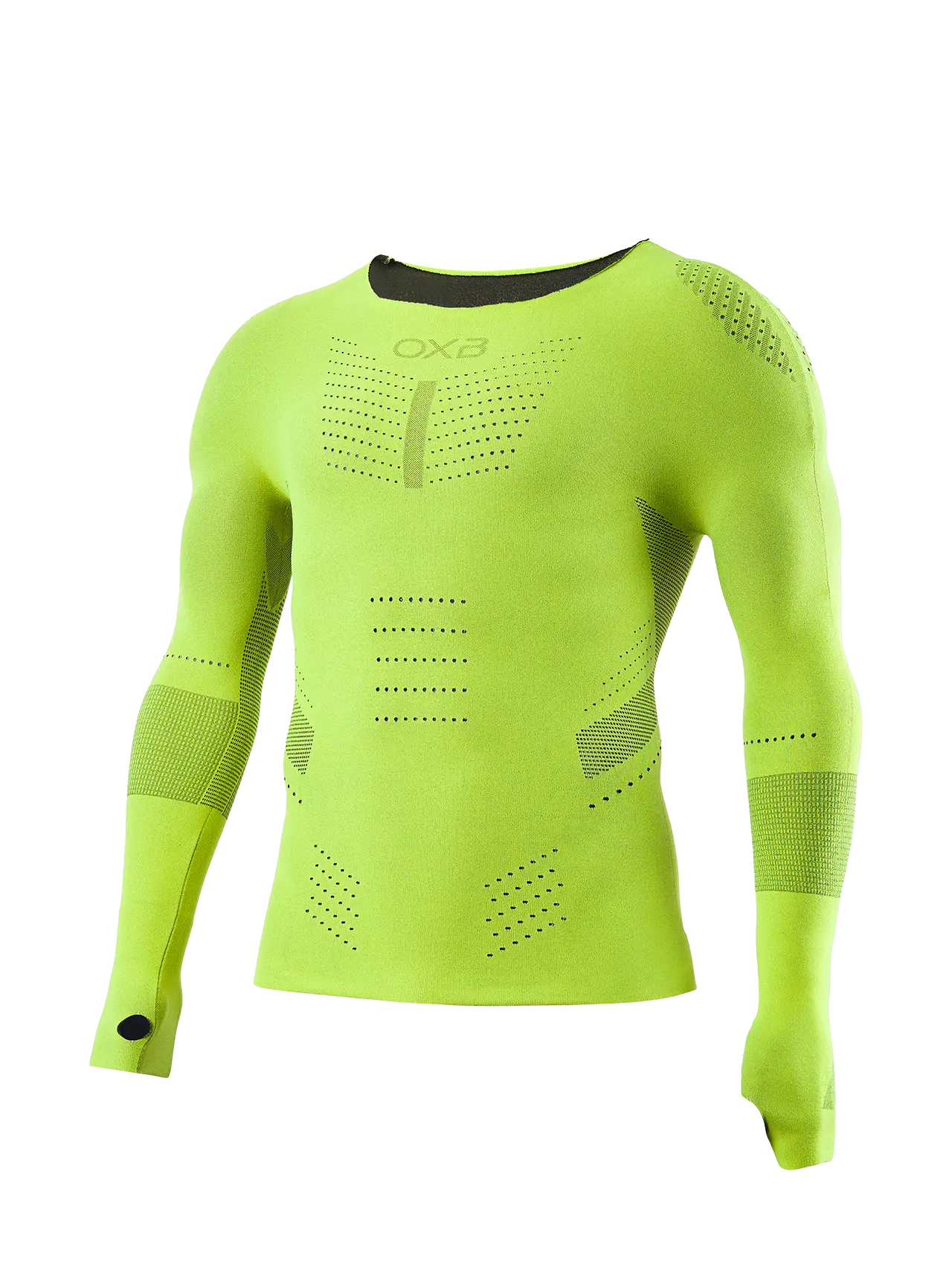
Ultralight Men's Long-Sleeve Trail Running Shirt with Raw-Edge Hem
€60,00
Review by Simone Bagnano

November–December 2015
And this year will also be remembered as the hottest on record—let’s hope there aren’t any worse ones in the future. It wasn’t until the very last days of December that we finally got a hint of winter.
These weather swings are the best way to test a technical director’s skills.
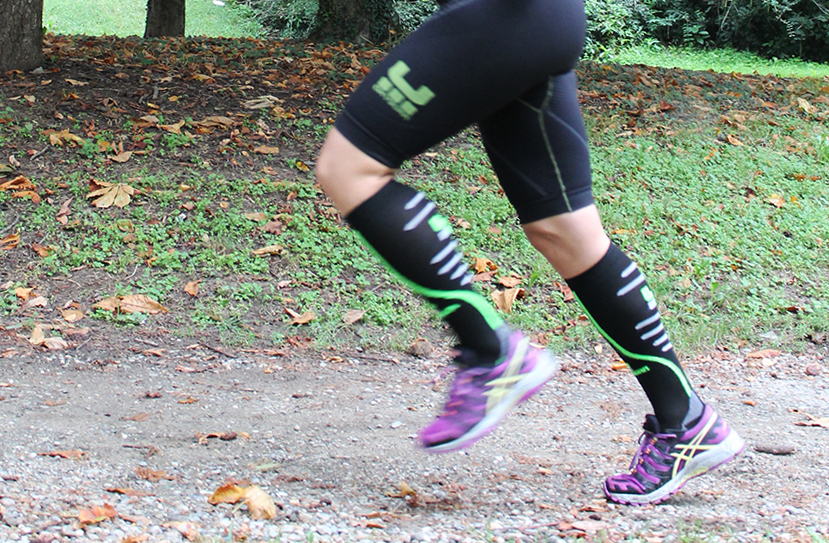
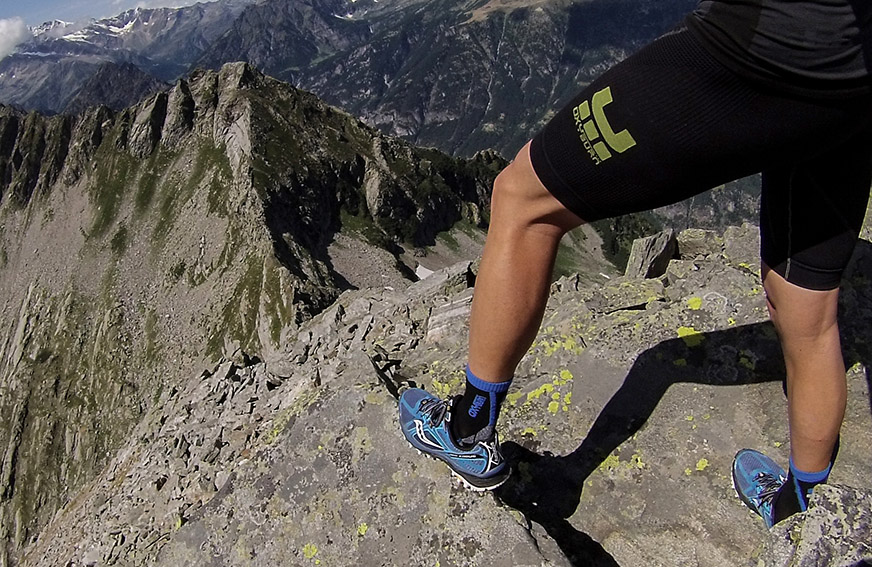
Let’s get started with testing the brand-new outdoor socks, item 1535. These are the “big sisters” (long-leg version) of the popular and previously tested item 1530. They’re aesthetically pleasing, featuring the usual, proven right-left differentiated construction and well-defined breathability and support zones.
Now that I have no more doubts about the blend of fibers used, I’m going to test them out, as always, in a variety of situations—from casual walks to challenging hikes.
Once again, wearing them is a pleasure: softness, elasticity, and compression are effectively balanced, without being too thick—even though they’re designed for outdoor use. The sock fits perfectly along its entire length, and you immediately feel comfortable.
December is a lucky month thanks to the holidays, which are perfect for taking a few days off from the daily routine. I take this opportunity to go on hikes in Meltina (BZ), Val Sanguigno (the Bergamo Orobie), Val di Genova, and the Trieste Karst. These are vastly different environments, all equally fascinating and full of trails. Sure, there’s no snow, but I found plenty of ice—especially at the bottom of the valley where the sun doesn’t reach.
Accompanied as always by my wife (who’s also wearing the 1535s), we set out on our hikes already confident in the overall durability of the product, though just a little curious about its thermal performance: in fact, we find ourselves in very varied conditions, ranging from -5°C in the frozen woods to 12°C where the sun is shining (and we start to sweat quite a bit). GTX trail running shoes, heavy boots, and mid-cut boots. Always the same pair of 1535s. Never an uncomfortable feeling—feet always dry and thermally protected. No chafing or slippage; the boot stays firmly in place along the entire shin. On the Trieste Karst, we also faced a day of “borina”—winds of 50–60 km/h with even stronger gusts—and wind chill making it feel even colder. My feet were always well protected thanks to these Oxyburn socks.
Even though it’s not at high altitudes, the karst terrain really puts joints and muscles to the test.
Compression and support make all the difference once again; on the most strenuous outings, the strain is intense, but cramps and lactic acid remain a distant memory, despite spending consecutive days in this environment. Repeated use has not led to any buildup of odor, and they dry extremely quickly as always—you could almost go without taking them off.
After completing the field tests (which lasted an average of 3–4 days), we washed the garment at a low temperature. We did not notice any particular signs of abrasion or pilling.
In conclusion, I can only confirm the positive aspects that emerged with the smaller 1530 model.
With the 1535, you can go even further into the cold since they offer more protection. The 60 km of testing had absolutely no effect on the fabric. I’m ready to put them back on as soon as possible, especially now that the snow has arrived!
Rating: 10/10
Share: