


EXTREME 5089
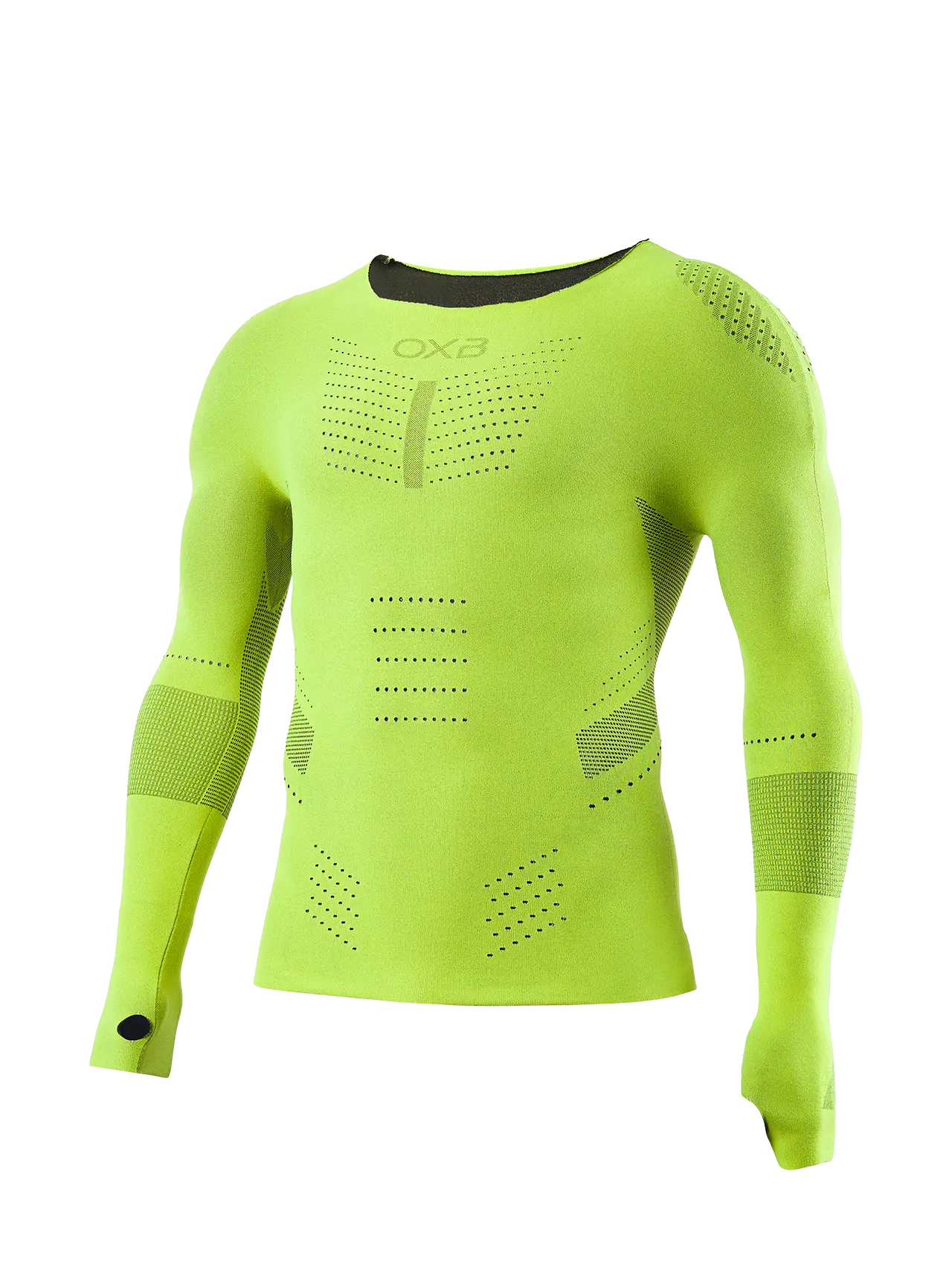
Ultralight Men's Long-Sleeve Trail Running Shirt with Raw-Edge Hem
€60,00

These are the most pressing and frequently asked questions: What should you eat the night before a race? And for breakfast, what should you eat and when? Let’s start by saying that when it comes to “sports nutrition,” we can only offer a series of general guidelines—useful as they may be—but ultimately, everyone must first learn to understand their own body. Oxyburn offers some interesting tips on how to manage this important phase leading up to your race.
Setting aside races from marathons and longer—which require that your nutrition be properly structured and tailored for long-distance events for at least a few weeks—let’s start by saying that running races up to 21k doesn’t require any special or excessive precautions. This does not mean, however, that anything goes—quite the contrary.
The night before a race—whether it’s a 10K or a 21K— it’s important not to overload your body with too many carbohydrates, which at that point are unnecessary and could even be harmful, weighing down your body and acting as unnecessary ballast rather than an important sugar reserve. However, it’s also strongly discouraged to gorge on low-calorie foods, such as enormous quantities of vegetables: an excess of vegetables, in fact, can linger in the intestines and cause digestive discomfort during the race.
So, what should you do? The best advice is to eat as you normally do, enjoying a balanced and moderate dinner, including in terms of portion size.
And what about pre-race breakfast? If you’re unable to eat at least three hours before the warm-up begins, it’s best to skip breakfast and just have a gel about an hour to an hour and a half before the race. If, on the other hand, you have time for breakfast, the recommendation is to avoid milk, which could cause stomach upset, and to eat mainly carbohydrates—always in moderation: so opt for pasta, bread (preferably whole-grain), crispbread, or cereal. In fact, during the night, our body doesn’t burn more than 200 calories, so most of the calories from the previous evening’s dinner will have been stored as energy.
Among the foods that are “runner-friendly” are undoubtedly dark chocolate and nuts: in fact, 20 grams of nuts eaten at breakfast before a race provide an immediate energy boost that fuels the muscles without taxing the stomach during digestion. And, of course, never, ever forget to drink plenty of water!
Share: