


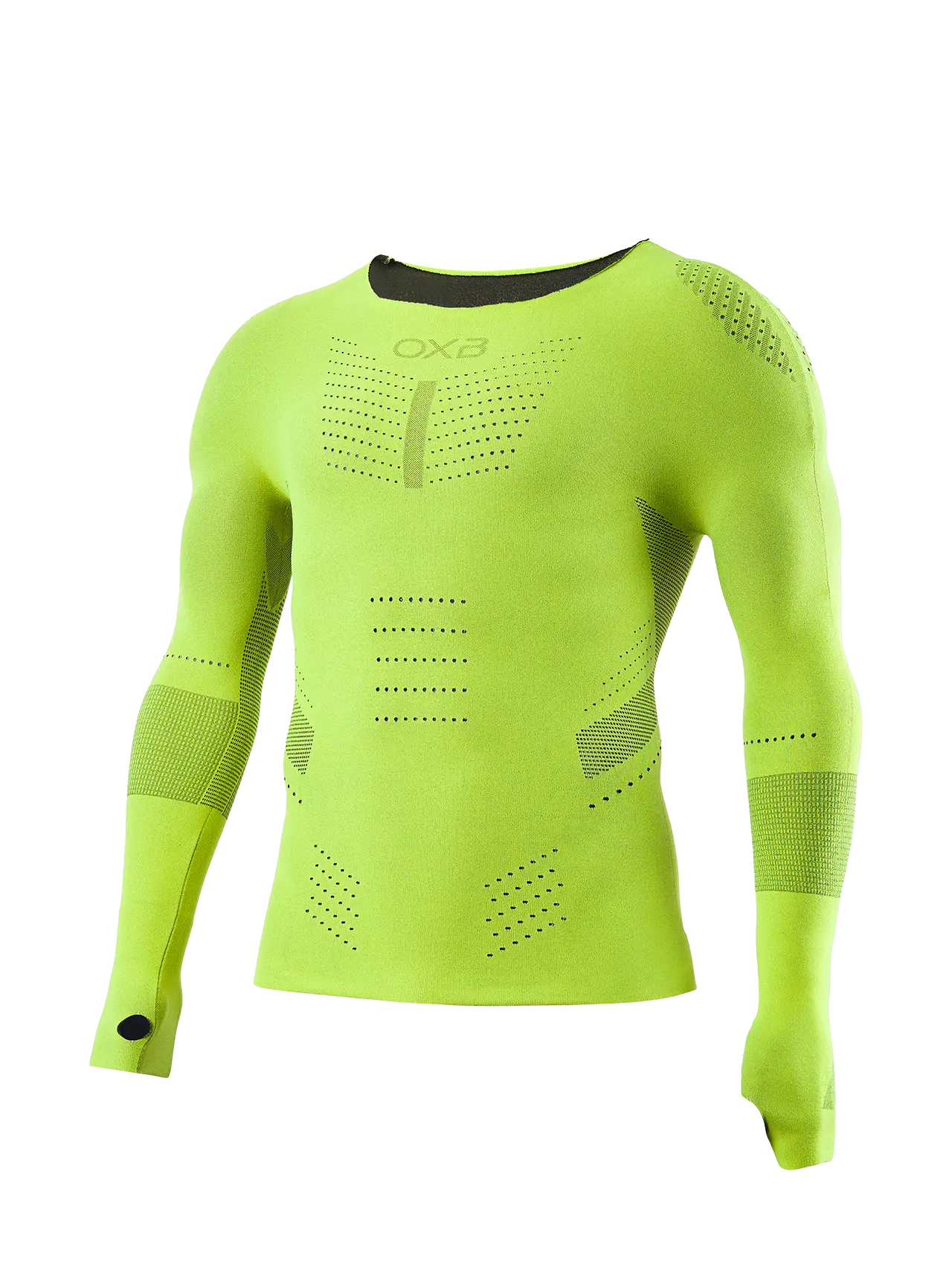
EXTREME 5089
Ultralight Men's Long-Sleeve Trail Running Shirt with Raw-Edge Hem
€60,00
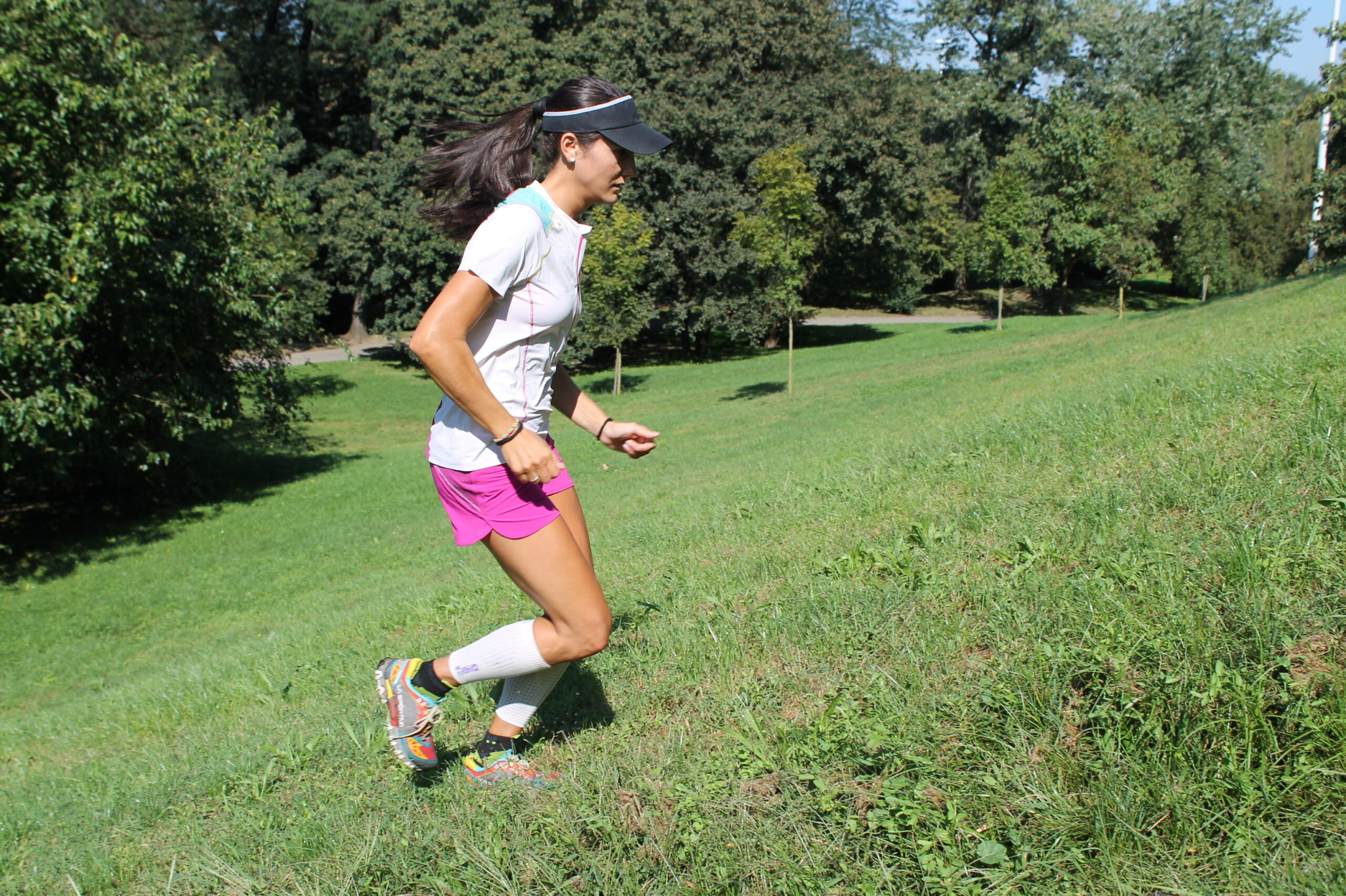
Exploring slow-paced running to discover its benefits and proper techniques.
Many people believe it serves no purpose other than to lose weight or relax the legs after a race. Others even believe it undermines regular training because it’s too easy to do. In fact, slow-paced running is very useful indeed… and has significant benefits. Provided, of course, that it’s done in moderation.

What is the purpose of the slow fund?
Low-intensity exercise lowers heart rate and increases cardiac output, capillary density, the arteriovenous difference, and the number of mitochondria in cells, in addition to improving body temperature regulation and mobility of the musculoskeletal system.
Who should prioritize slow-paced running?
First and foremost for beginners, but also for those recovering from an injury, and, in general, slow-paced running should account for 70% of every runner’s weekly mileage.
What are the benefits of slow-release fertilizer?
Slow-paced running allows you to run without putting excessive strain on your body, helps with weight control, is one of the fundamental elements of twice-daily training, and, above all, helps build the physical foundation necessary for high-quality workouts.
What pace should you maintain during a slow-paced run?
Many people believe—in a rather unscientific way—that a slow-paced run should be done at a speed that allows the runner to speak comfortably: a statement that isn’t scientific, but isn’t incorrect in practice… However, to be precise, the rule calls for running at an average pace that is between 30 seconds and 60 seconds per kilometer slower than one’s 10K average.
What is the optimal distance for a slow-paced run?
Of course, the correct distance will depend on the race you’re training for: for a 5K, the slow-paced run should be 10K – 15k; for a 10k, between 5k and 18k; for a 21k, between 18k and 22k; and for a 42k, between 22k and 30k.
Share: