

EXTREME 5089
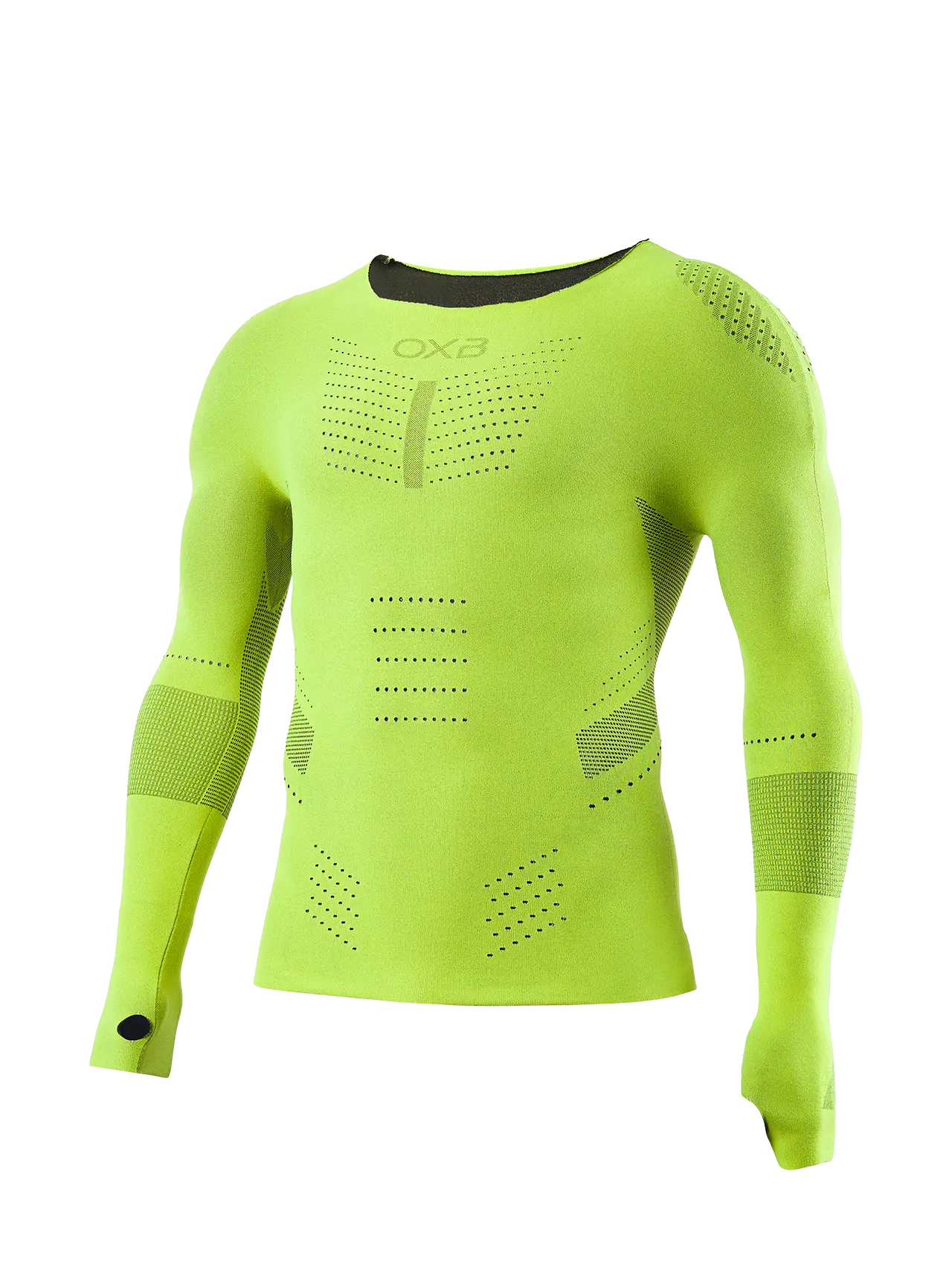
Ultralight Men's Long-Sleeve Trail Running Shirt with Raw-Edge Hem
€60,00
Technical clothing, the right schedule, short workouts, and plenty of fluids: that’s the recipe for running even in the summer!

Although it’s not the peak of the running season, summer and the heat are unlikely to stop runners, who—despite the lack of 42k and 21k races—still take part in shorter road races or trail running events. Since these races take place in the mountains—and therefore in (hopefully) cooler areas—trail running is precisely the discipline that offers the greatest number of races, events, and competitions during this time of year.
But how can you train and compete when the thermometer reads over 30°?
So here are a few useful, common-sense tips to follow when running in the heat.
The first thing to do is to change or adjust your running schedule, opting for dawn or evening: Running very early in the morning isn’t for everyone, but it’s undoubtedly the best time of day, since you’re fresh and well-rested and the temperature is moderate, whereas the evening brings with it the fatigue and heat of the entire day. And remember to be kind to yourself, because scorching temperatures like those we’ve experienced in the last few days of June (barring thunderstorms) can significantly reduce your performance and limit your speed and endurance. So, while some coaches even recommend staying indoors on the hottest days and running on an air-conditioned treadmill, others simply suggest short, fast workouts, such as intervals or fartlek.
Runners—because that’s who we’re talking about—wear technical clothing when they run: well, there are certain garments that are particularly well-suited for hot weather, as they’re made with technologically advanced materials and provide excellent breathability, keeping the body dry and preventing heat buildup even at temperatures up to 35° C—as is the case with most of the products designed by Oxyburn.
In addition to running outside city centers whenever possible—preferably in the hills, mountains, or by the sea— the most essential rule is to stay properly hydrated not only after the run, but also before and during it. In fact, while it’s not usually necessary to drink when running for about an hour, summer temperatures require at least half a liter of water to avoid dehydration, and it’s also helpful to take electrolyte supplements both before and after your run to support your body during exercise and aid recovery.
Share: