EXTREME 5089
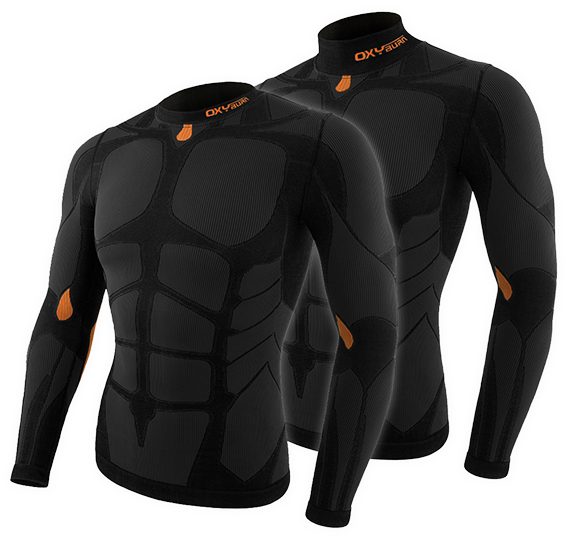
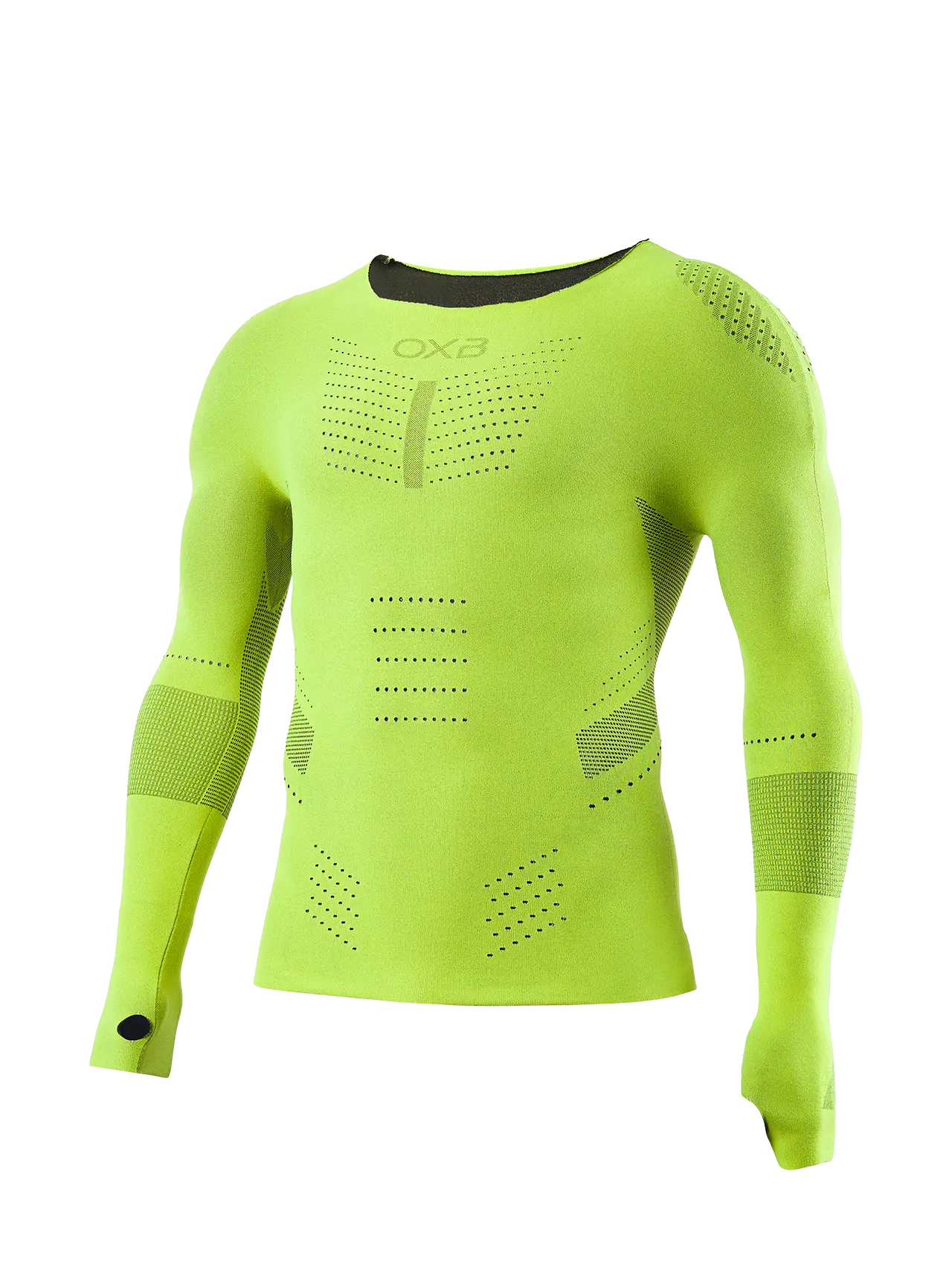
Ultralight Men's Long-Sleeve Trail Running Shirt with Raw-Edge Hem
€60,00
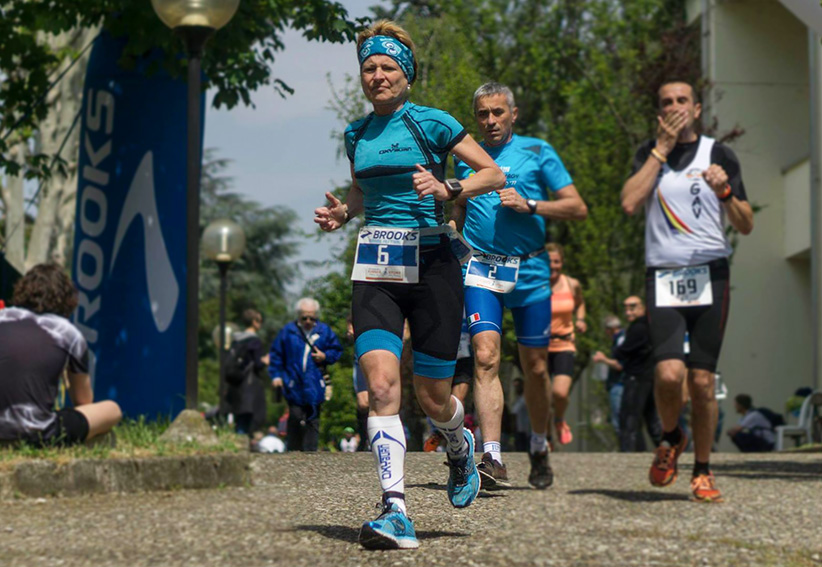
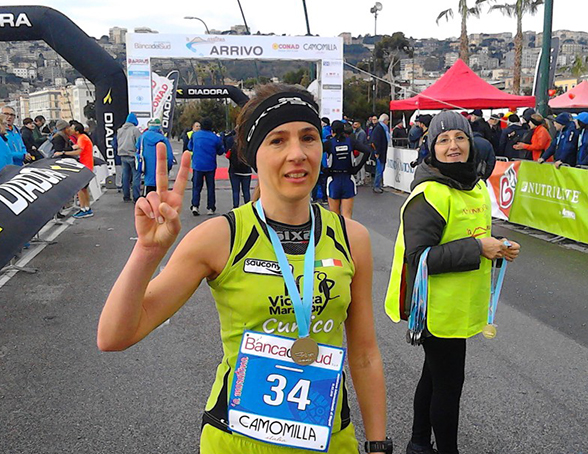
In the fall, countless athletes take on half marathons: triathletes, cyclists, mountaineers, and, of course, runners. Whether you’re running as part of your training or aiming for a personal best, the 21 km race is a challenge that draws thousands of enthusiasts throughout Italy, especially during the transitional seasons. The fall calendar is packed with these events, and many people are wondering how best to prepare.
We asked Ilaria Benetti, who holds a Ph.D. in Kinesiology, is a strength and conditioning coach, and a FIDAL-certified instructor.

Ilaria Benetti, Ph.D. in Kinesiology and FIDAL Instructor
We know that for years you have been working with people undergoing post-traumatic rehabilitation and, at the same time, coaching both youth and senior teams at a major club in Verona. First of all, when you create your workout plans, do you follow any general guidelines?
Yes, the core of every training plan consists mainly of sessions focused on strength and running technique, endurance, aerobic capacity, and power. We also try to keep the exercises dynamic so the athletes don’t get bored.
Do middle- and long-distance runners also need to build muscle strength?
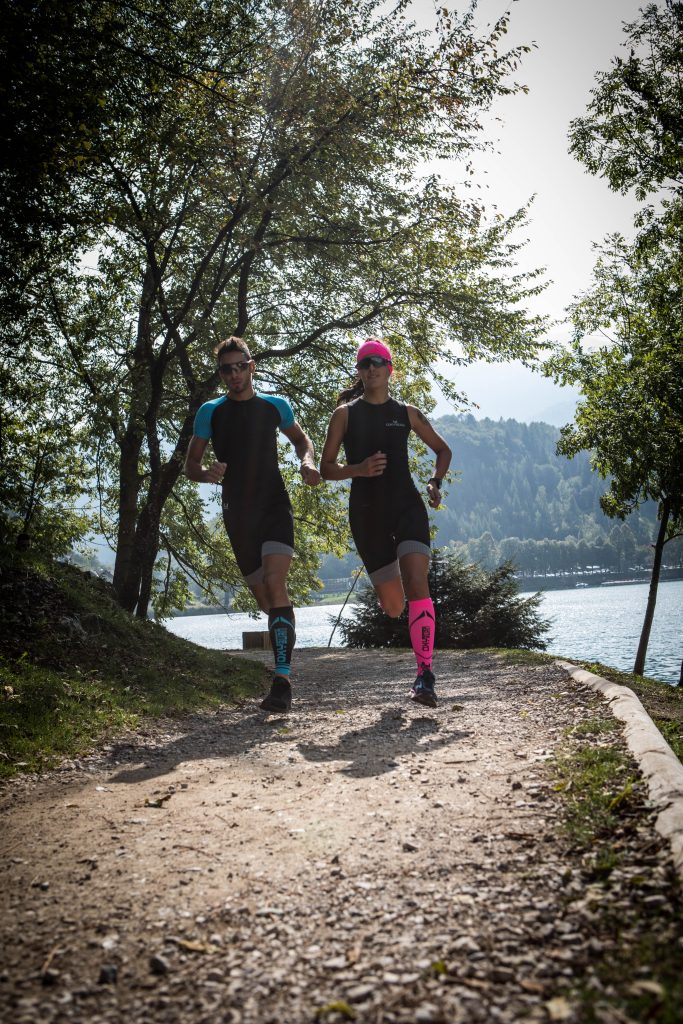
Undoubtedly, strength and speed are factors that come into play when aerobic endurance and the body’s physiology cause a decline in performance. In fact, Oxyburn —through the various technologies incorporated into its garments, particularly compression —helps maximize the benefits of your training by delaying muscle fatigue and improving muscle oxygenation.
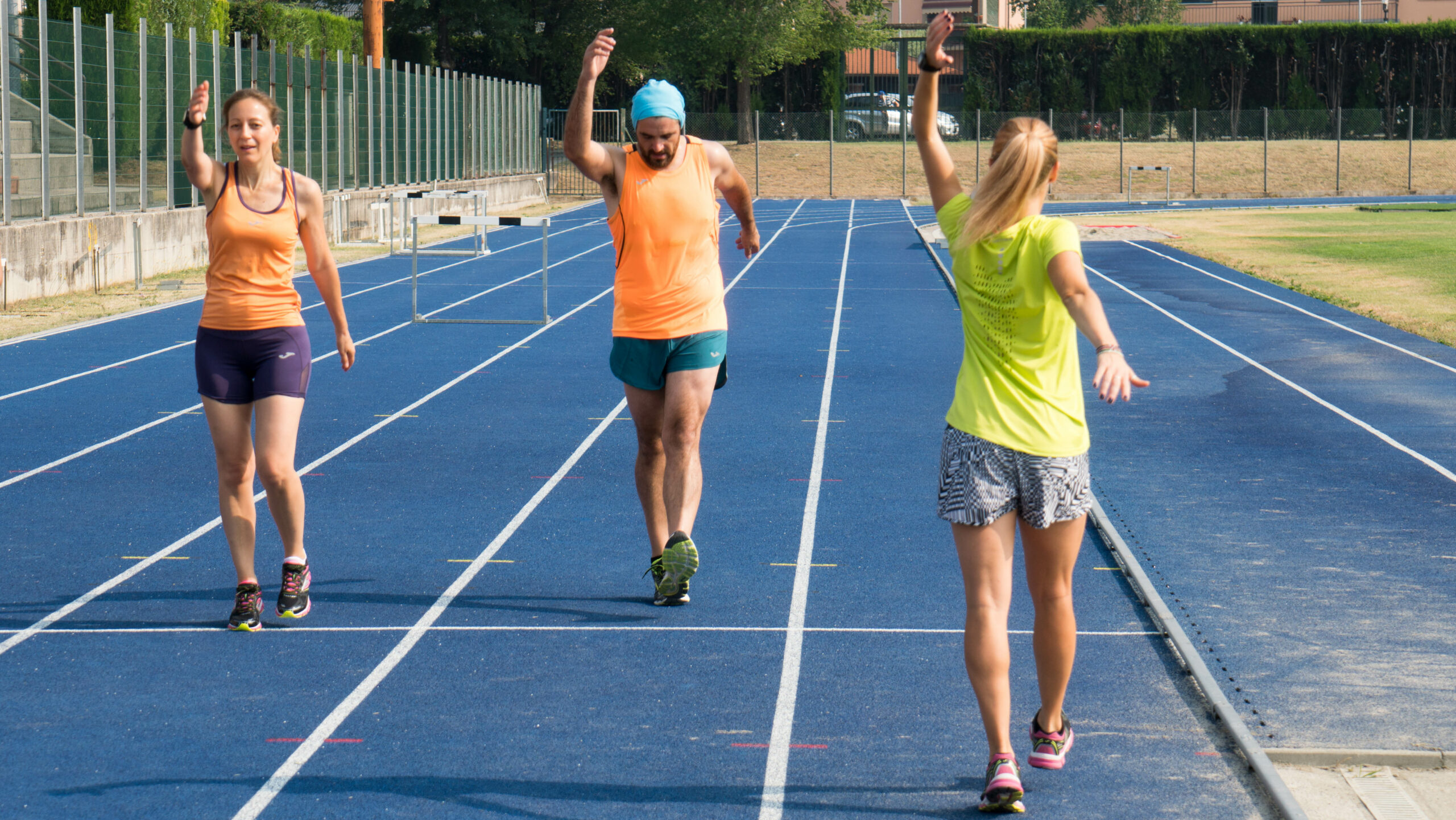
Technical Gait Patterns
We’d love to see an example—could you give us a sample monthly training plan for a 15–20 km mid-distance race?
Absolutely—this plan is ideal for starting your 90/60-day preparation for the designated event.
WEEK 1
MON: 30’ easy run + long climbs (gentle incline) 10x100mt run-walk intervals + 12’ progressive run
WED: 20’ easy run + technical running drills for 20 meters (skipping, kicking, under-skipping, backward skipping, straight legs, galloping) + interval training: 5.5 km: 4 sets of (4 x 250 sprint on grass + 100 slow) with 2’ rest
FRI: 20’ run + 10’ jump rope exercises + 3x(4’ slow + 3’ moderate + 1’30” fast) + 10′ cool-down
SAT/SUN: 14 km + stretching
WEEK 2
MON: 30-minute run + long climbs (gentle incline) 10 x 120 meters with walking recovery + 15-minute progressive run
WED: 20’ run + agility training for 25 meters (skips, kicks, under-skips, backward skips, straight legs, gallop) + interval training: 7 km 5x(4×250 sprint on grass + 100 slow) rest 2’
FRI: 20’ run + 10’ jump rope exercises + 3x(4’ slow + 3’ moderate + 2’ fast)
SAB: Muscle Strengthening
SUN: 16 km + stretching
WEEK 3
MON: 30-minute run + long climbs (gentle incline) 12×120 meters with walking recovery + 15-minute progressive run
WED: 20’ run + 30-meter interval training (skipping, kicking, under-skipping, backward skipping, straight-leg skipping, galloping) + 6 x (600 meters run, 100 meters walk, 400 meters run) recovery 4′
FRI: 20’ run + 10’ jump rope exercises + 3x(5’ slow + 3’ moderate + 2’ fast)
SAB: Muscle Strengthening
SUN: 18 km + stretching
WEEK 4 (recovery week)
MON: 30-minute run + 10 sets of 60-meter climbs on a gentle slope (walking recovery between sets) + 15-minute progressive run
WED: 20’ run + A.T. for 30 mt + 2 x 1000 mt (3′ rest) + 4 x (500 mt [1′ rest] + 500 mt) (4′ rest) + 1 x 1000 mt
FRI: 20′ run + 20′ moderate pace + 10′ cool-down
SUN: 18 km + stretching
Running pace:
slow: 40–50 seconds slower than your average pace in a 10-km race
moderate: 15–25 seconds slower than your average pace in a 10-km race
Fast: 20 seconds faster than your average pace in a 10-km race
P.S.: The 250-meter race on the grass starts at the 300-meter mark and ends at the white line on the soccer field, past the finish area
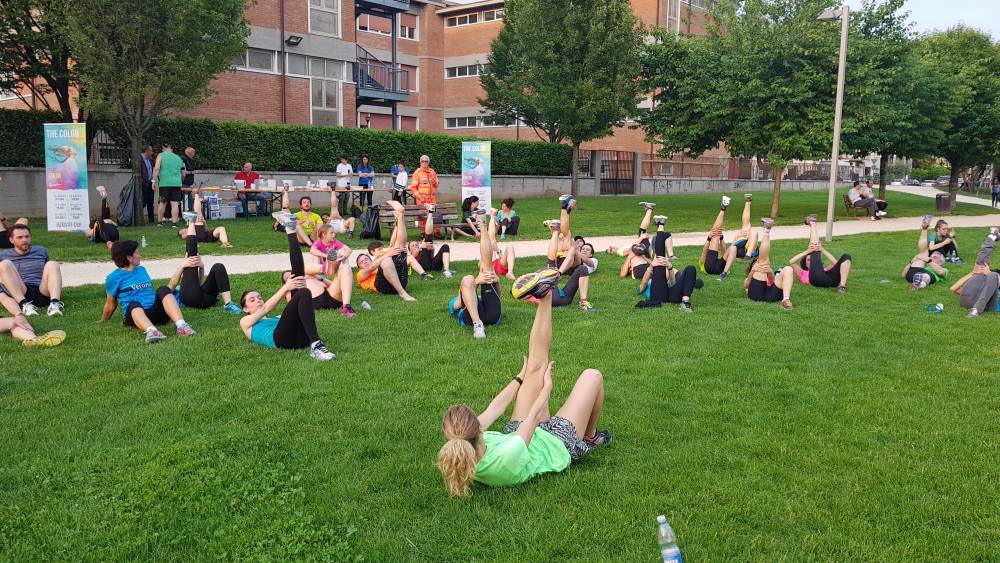
Stretching
You’ve given us a great example to follow so we can best prepare for the fall and winter running events . Do you have any other advice you’d like to share with us?
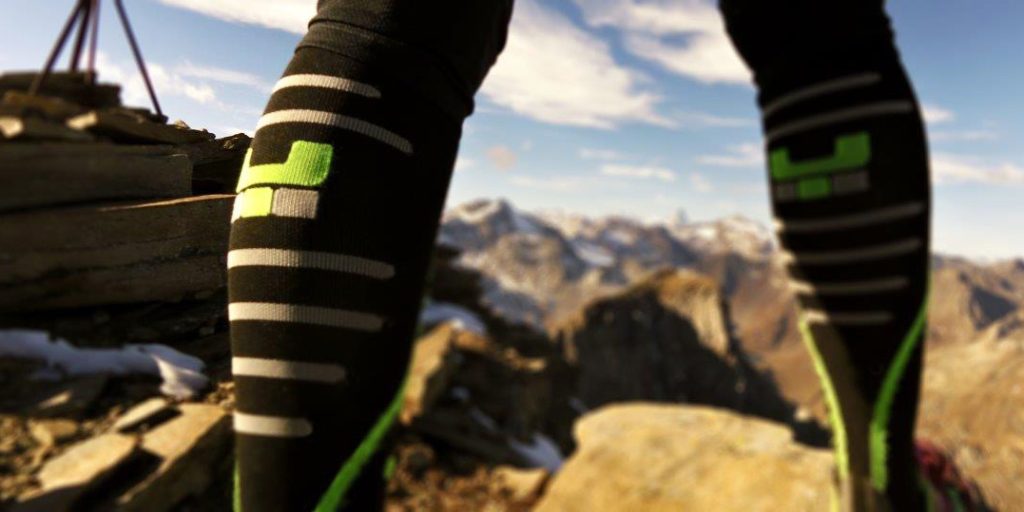
Absolutely. In sports—especially for those who have limited time and are just getting started as adults—it’s essential to prevent injuries and optimize performance within the time you have available. That’s why choosing the right technical gear is so important. In my experience, I’ve found that Oxyburn’s socks, underwear, calf sleeves, arm sleeves, and running accessories offer exactly these benefits. Thermoregulation, muscle oxygenation, reduced fatigue, and shorter recovery times optimize performance and support the athlete during the critical moments of their activity when they’re most prone to injury.
We know you’re an excellent athlete, as well as a highly regarded coach. So we wish you the best of luck in your upcoming competitions!
Share: