EXTREME 5089
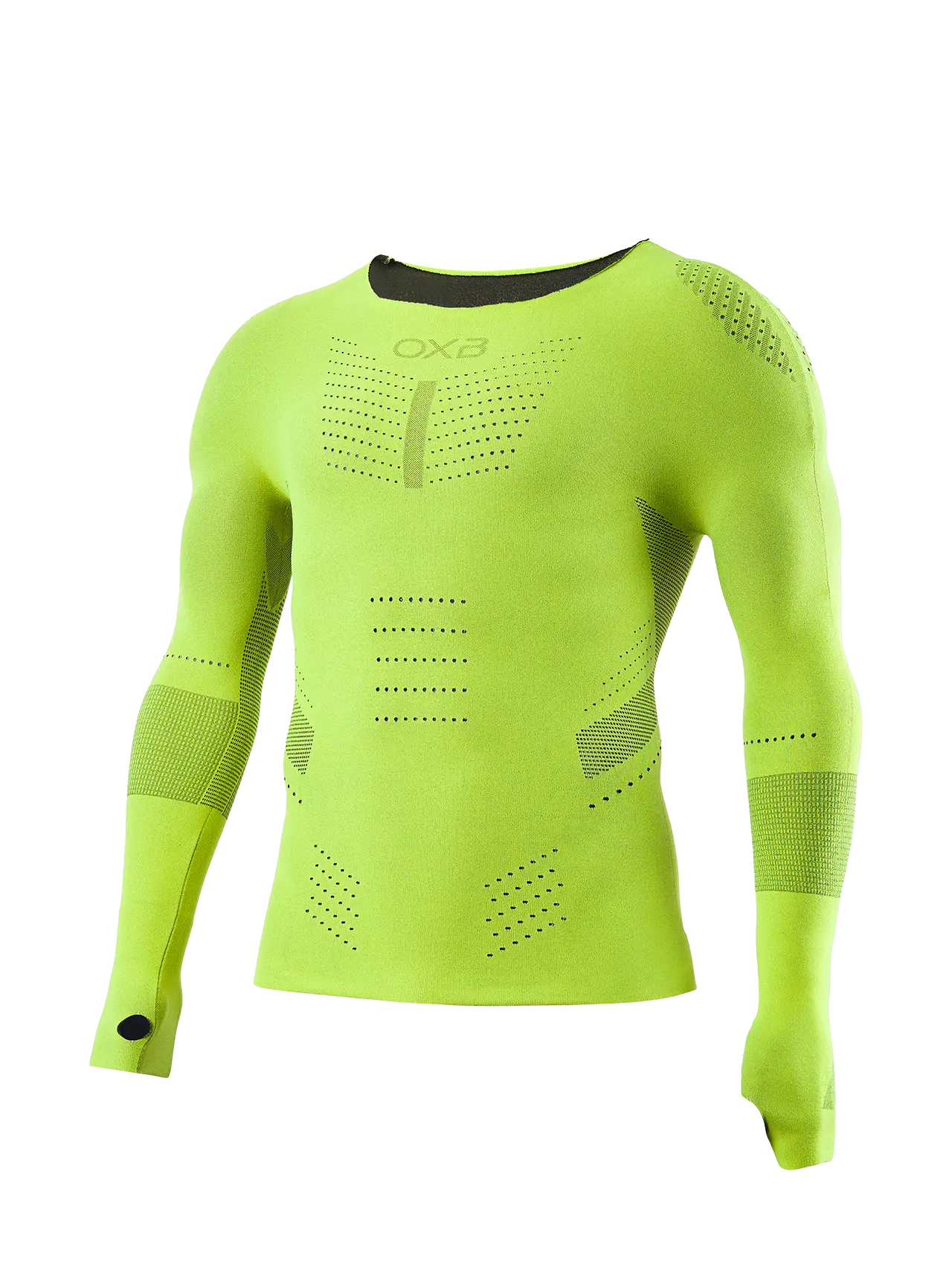
Ultralight Men's Long-Sleeve Trail Running Shirt with Raw-Edge Hem
€60,00
Undoubtedly one of Italy’s top athletes, Ivana excels in both marathons and mountain running, proudly wears the Italian national team jersey, and… dreams of the Olympics!
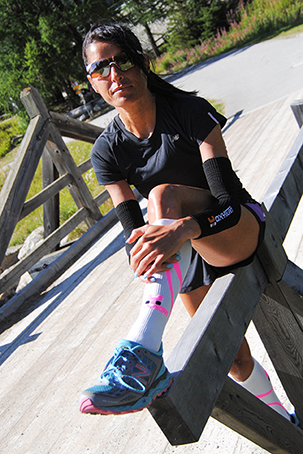
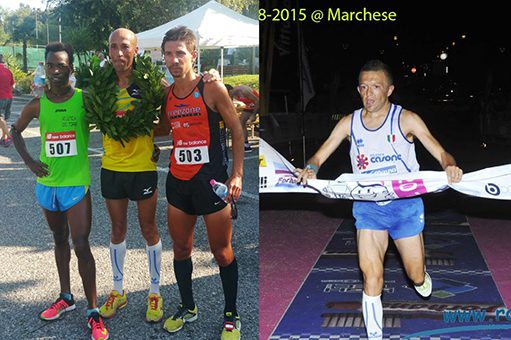
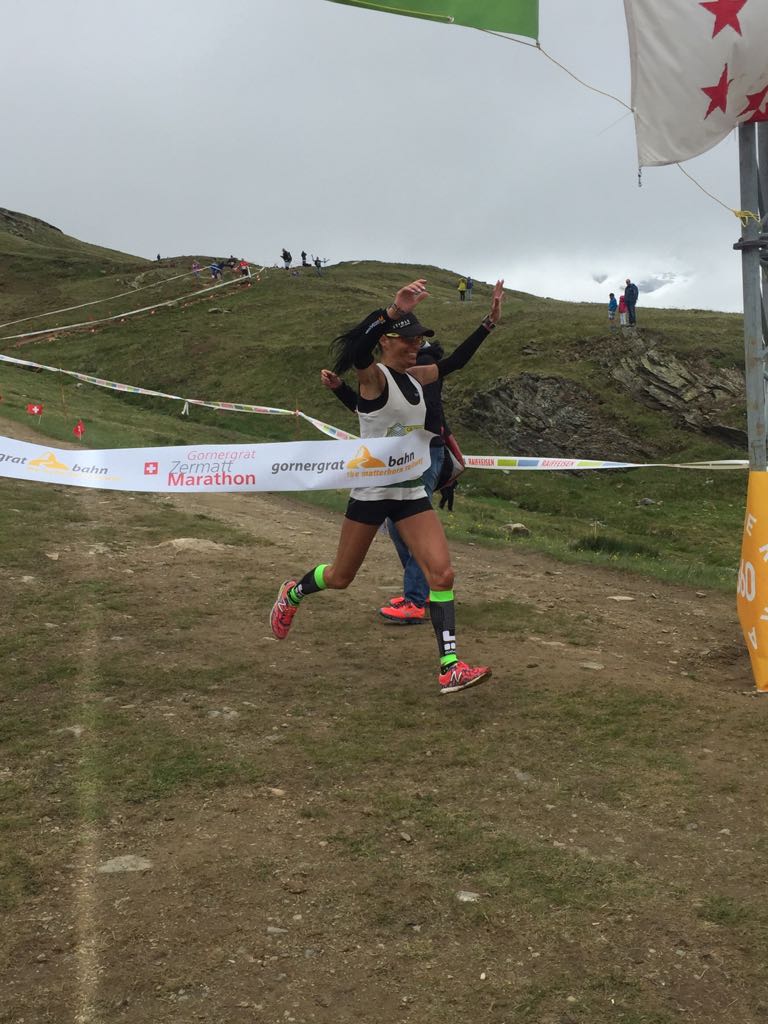
1480 long socks with third-level compression or Running Track 1495, a black, breathable sleeveless T-shirt—also compression-style for maximum comfort—and the 5050 Twenty-one: this is the race attire of Ivana Iozzia, three-time Italian marathon champion and, in 2015, winner of the Monza 10K Chrono, the Corsa dei Briganti, and the Bormio-Stelvio, as well as fourth at the Italian Mountain Running Championships and 16th at the World Championships (fourth in the team event alongside Alice Gaggi and Samantha Galassi). We met with her to hear about her 2015 training and races: the result is a portrait of a determined, disciplined, “Teutonic” runner, as she describes herself… a woman confident in her abilities and a champion of girl power… and how can you argue with that!
Who is Ivana when she’s not running?
I’m just a regular person, like so many others. I work as a textile designer for a well-known clothing brand. Like most of my fellow amateur runners, my days are always hectic and packed with things to do. It takes a lot of organization to balance work, sports, and family life, so my opportunities for escape are kept to a minimum. By nature, I’m quite introverted; I’m comfortable being alone and need my own space. I hate sloppiness and believe that self-discipline is an essential ingredient for success. Precisely because of my methodical approach and perseverance in everything I do, people call me “Teutonic.” It’s no coincidence that one of my greatest passions is the German language, which I’ve been studying for about ten years now. Jawohl! Life’s ups and downs (two serious family bereavements) have taught me to look at things from a different perspective, with a greater awareness of what really matters in life: I’ve learned to let things roll off my back, especially the trivialities. Life’s real problems are quite different! Distinguishing features: I have an identical twin sister. People often mistake us for each other because of how much we look alike. But don’t worry… I’m Ivana.
When did you start running? Who or what inspired you to start?
It was the year 2000. The multinational company Hugo Boss, where I worked, was offering five employees a prize trip to the Big Apple, including registration for the New York City Marathon. Intrigued and excited by this initiative, I applied, and my application was accepted. On November 5, 2000, I was at the starting line of my first 42 km race, sponsored by HB. Wow!! 2h48’29”, not bad for a beginner, right?
You’re a marathon champion, but also a mountain runner: which do you prefer to run?
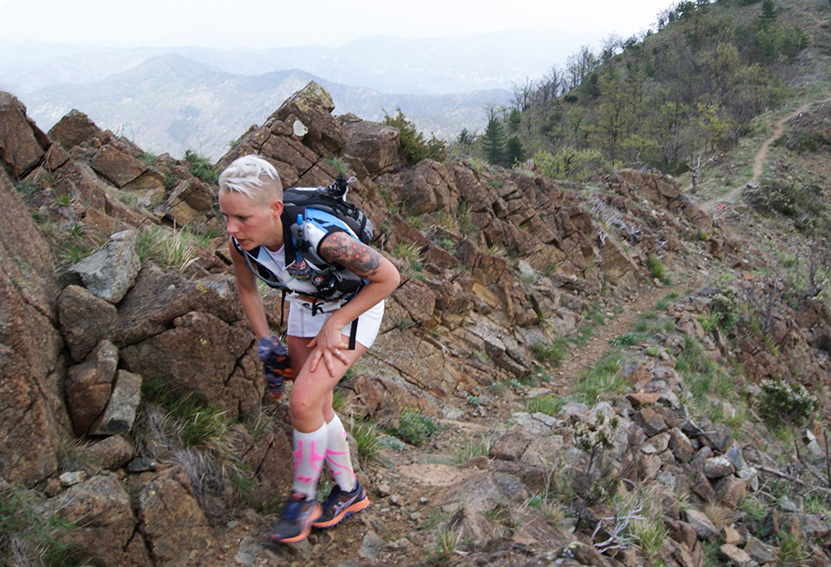
Road running—specifically, the marathon—is the race that perhaps excites me the most. However, I also enjoy mountain running, which has been very rewarding for me over the past three years. I also find it very stimulating to be able to diversify my goals and seasonal training plans. This helps break up the monotony of training a bit. And besides, I have mountain roots on my mother’s side, so… running + mountains = the perfect combination! It’s just a shame that mountain running isn’t an Olympic sport—or at least not yet… I’m keeping my fingers crossed that it will become one in the near future.
What are the main differences between the two disciplines in terms of training?
These are two disciplines that require different training approaches in some respects, but also share similarities in others. For example, long-distance trail running involves a lot of endurance training, such as the so-called “very long runs” typical of marathon training. The situation is different for the classic mountain running distance (about 8 km), which, in addition to being a short race, can feature more or less technical trails and rugged terrain with ascents and descents. In this case, therefore, it is very important to focus on specific technical aspects.
What was your best race in 2015?
Italian Mountain Running Relay Championships in Pian delle Betulle, LC, in late August. Although I didn’t win the team competition, I posted the fastest leg time, finishing ahead of renowned athletes such as former world champion Alice Gaggi, Samantha Galassi, and Antonella Confortola. It was a nice confidence boost ahead of the upcoming World Mountain Running Championships in Wales on September 19. It’s a shame, though, that things didn’t go quite as well at the World Championships, and my 16th-place finish in the individual event didn’t do justice to my current form or my hopes of breaking into the top ten… a mission that’s not impossible. Especially since I’m at an age where I won’t have many more chances…
And which one do you remember as the absolute best of your career?
That’s a good question. There are so many that deserve to be remembered. One in particular is my overall victory at the 2013 Turin Marathon. Winning one of Italy’s most prestigious marathons generated a lot of media attention.
Is there a race you enter every year? Why?
There are some races I’m particularly fond of, such as the Stralivigno, the Engadiner Sommerlauf, the Monza-Montevecchia, the Tre Campanili Half-Marathon, the Jungfrau Marathon, and the Bormio Stelvio… Some of them coincide with my high-altitude training camps, and I use them as warm-up races for more important events. If the conditions are right, I sign up for them every year. Why not?
And the race “you still have to run”… your dream that’s yet to come true?
Since dreaming costs nothing… the Olympics—every athlete’s ultimate dream!
What does it mean to wear the Italian national team jersey?
It’s like a second skin…
What “role” do female athletes play in Italian and global running?
Women’s running has often been subject to prejudice and institutional barriers. However, in recent years we have been witnessing a reversal of this trend, and the rise of women in running—both in Italy and worldwide—signals a comprehensive triumph. Every athletic achievement is also a step toward empowerment, and it is precisely through sports that we women’s pride in demonstrating our worth and our desire to carve out a place for ourselves in history comes to the fore. Of course, we still face media bias in favor of men’s running, and society at large still doesn’t give us the recognition we deserve—not even when we, as women, are the ones upholding our country’s honor. Wives and partners, mothers, working women, homemakers, and athletes. Multitasking women. I may be biased, but… far from being the “weaker sex”!
Let’s talk about Oxyburn: Can you tell us about your experience with Oxyburn’s graduated compression clothing? Any improvements, differences…
I first discovered Oxyburn at the 2013 Tre Campanili Half Marathon. Since then, a strong partnership has developed, thanks to their high-quality technical products that meet the needs of athletes like us. I started wearing Oxyburn compression socks first during training, then in races, and eventually even on transoceanic flights. In addition to comfort, I immediately noticed an improvement in muscle contractility and venous return. As for the apparel, the thermoregulating and breathable shirts are excellent—they protect against the cold and humidity without adding weight or restricting freedom of movement.
Share: